Hidden Features in Gartic Phone Players Overlook
Articles
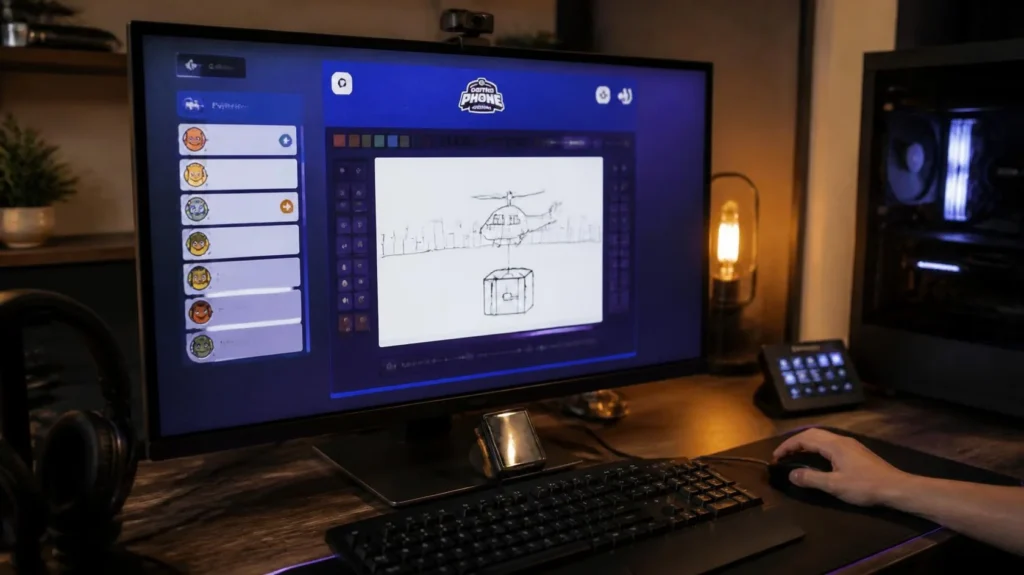
Gartic Phone may look simple at first, but its interface contains several functions and options that players can easily overlook. Exploring these details can make drawing, guessing, and group interaction feel more dynamic.
Understanding Gartic Phone Features can help players discover more flexible ways to approach each round. Instead of focusing only on drawing and guessing, players can explore available options and experiment with functions that make sessions more engaging.
Hidden Features Players Often Miss
Some useful functions are easy to overlook because they do not always demand attention during a normal round. A quick exploration of the interface can reveal options that subtly change how players interact with the game.
Features Players Rarely Notice
Players often concentrate on the drawing canvas or guessing phase, leaving other interface elements unexplored. Certain buttons, room options, and interaction tools may become noticeable only when players deliberately inspect the screen.
These small details can influence how a session feels, particularly when several people are playing together. What seems insignificant at first may provide additional flexibility during a busy game.
Options Hidden in Game Menus
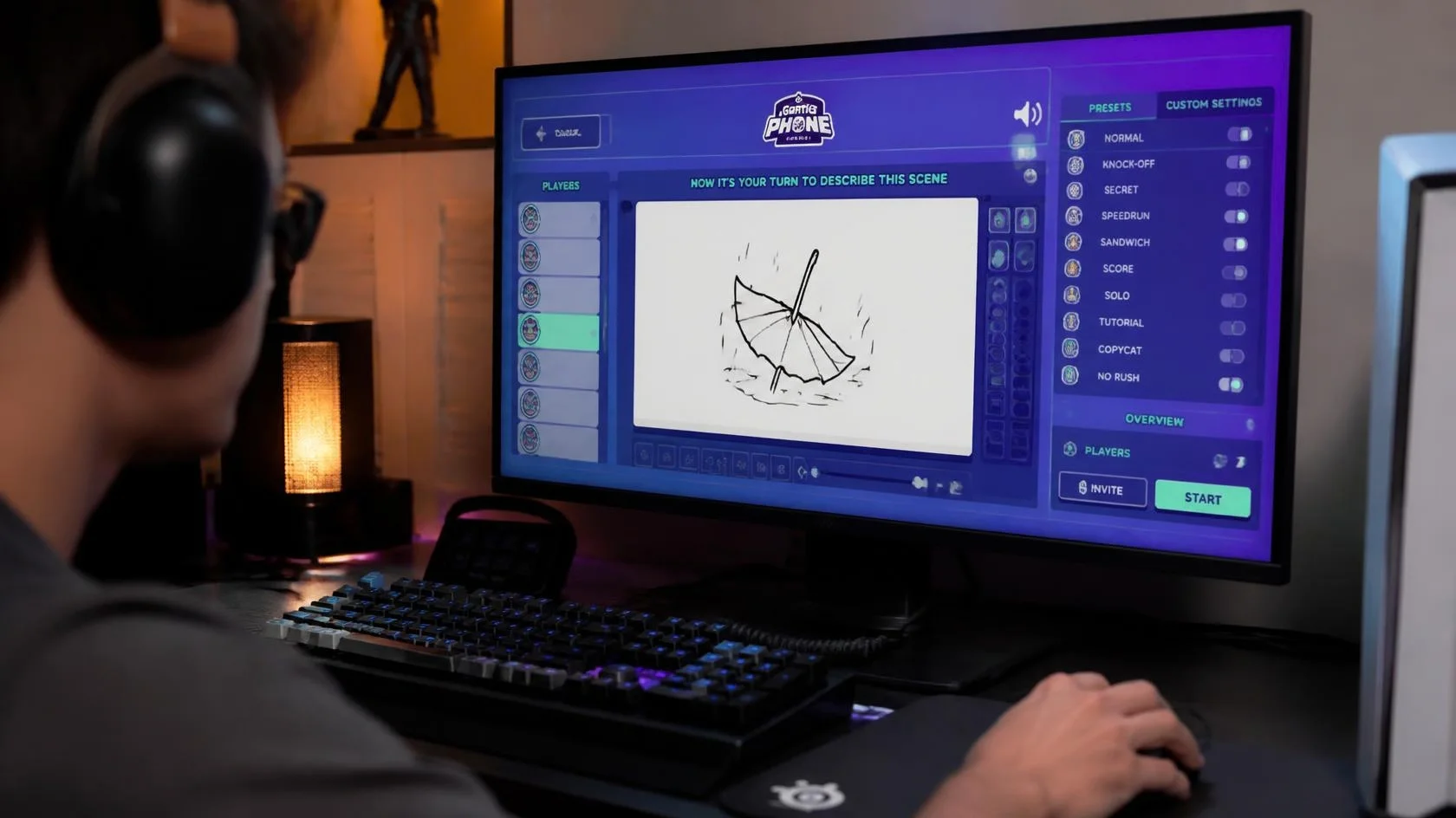
Game menus can contain useful configuration choices that are easy to skip. Depending on the session setup, players may encounter options related to rounds, timing, prompts, or other aspects of the gaming experience.
Taking a moment to inspect these menus can prevent players from missing practical settings. It also makes it easier to understand how a particular room has been configured before the game begins.
Functions That Improve Gameplay
Some functions are valuable because they reduce friction rather than dramatically changing the rules. Better familiarity with available controls can make transitions between drawing, guessing, and reviewing results feel smoother.
How to Find Hidden Features
Finding overlooked functions does not require complicated techniques. Curiosity and systematic exploration are usually enough, especially when players take time to inspect the interface before starting a serious group session.
Hidden Game Mechanics can become easier to recognize when players compare different menus, controls, and game phases. This approach helps reveal functions that might otherwise remain buried beneath the game’s simple appearance.
Checking Options Before Playing
Before the first round begins, examine the available settings and room controls. Look for buttons, icons, or menus that are not immediately explained by the main interface.
This simple habit can reveal configuration choices that might otherwise remain unnoticed. It is especially useful when joining someone else’s room because the host may have selected settings that affect the session.
Exploring Features During Sessions
Once a game starts, pay attention to how the interface changes between phases. A button that is unavailable during drawing might become useful during guessing or result review.
Experiment carefully rather than clicking everything randomly. Observing when controls appear can help players understand their purpose without disrupting the flow of the session.
Testing Less Noticeable Game Functions
Less prominent functions are often discovered through experimentation. Try different available controls during appropriate moments and observe what changes.
Players can also compare the experience across multiple rounds. Repetition makes subtle interface behavior easier to recognize, especially when different game configurations are being used.
Why These Features Matter
Overlooked features are not necessarily major additions, but they can broaden the way players experience Gartic Phone. Greater familiarity with the interface can turn a routine session into something more varied and exploratory.
Game designer Jesse Schell explains the role of mechanics in game design, “Game mechanics are the core of what a game truly is.”
Making Gameplay More Engaging
Discovering new functions can introduce small surprises into familiar sessions. Players may become more attentive to available controls, room settings, and different ways of interacting with the game.
That sense of discovery can make repeated sessions feel less monotonous. Even minor changes can encourage players to experiment instead of following exactly the same routine every time.
Exploring More Gameplay Options
Familiarity with available features gives players more room to adapt their approach. A group might adjust its session settings, experiment with different configurations, or simply make better use of functions it previously ignored.
The result is a broader understanding of what the game can offer. Players are no longer limited to the most obvious interaction path.
Finding New Ways to Play
Exploration can also inspire creative group habits. Friends might establish unusual drawing challenges, change the pace of their sessions, or experiment with different room configurations.
These discoveries do not necessarily require complex strategies. Sometimes, finding one overlooked option is enough to create a noticeably different experience.
Explore Gartic Phone Features Next
The most interesting parts of a game are not always displayed prominently. By checking menus, observing interface changes, and experimenting with less noticeable functions, players can uncover more possibilities within Gartic Phone.
Once these features become familiar, sessions can feel more varied and purposeful. A little curiosity can transform ordinary rounds into opportunities to experiment, collaborate, and discover new ways to play.