Building Houses in Minecraft
Articles
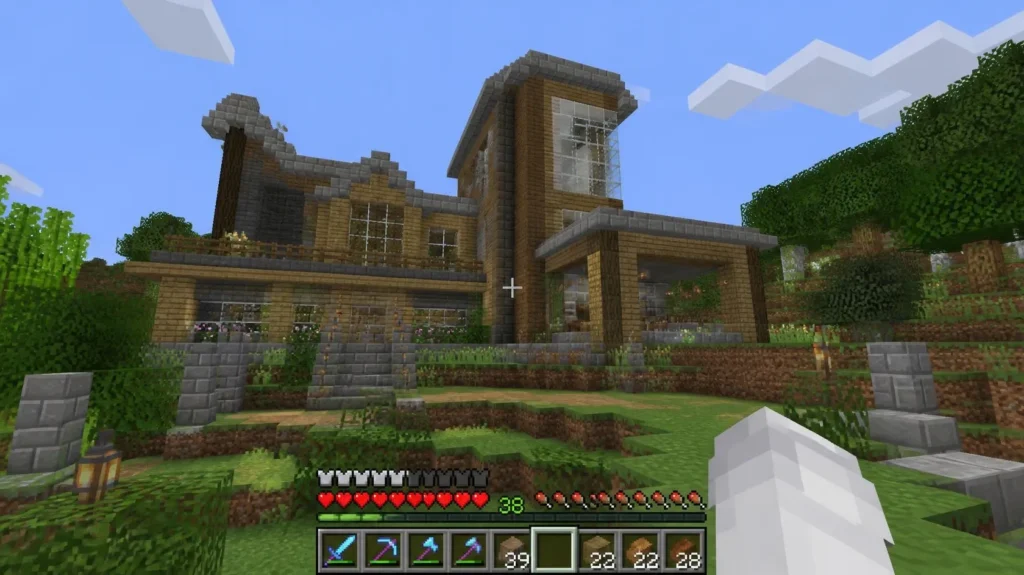
Building a house in Minecraft can begin with a simple idea, but turning that idea into a functional structure requires more than placing blocks randomly. Layout, proportions, materials, and room placement all influence how comfortable and visually coherent a house becomes.
Building Houses Minecraft is easier when the construction process starts with a clear plan. A practical foundation can prevent wasted resources, while thoughtful room placement makes the finished base easier to navigate and expand. Good planning also leaves more room for creativity.
Common Problems When Building Houses in Minecraft
Many construction problems appear because players begin decorating before deciding how the structure should function. An attractive exterior can quickly become impractical when the interior has cramped corridors, oversized rooms, or insufficient storage.
Choosing A Suitable House Layout
The first decision should be the overall footprint. Rectangular layouts are straightforward and easy to expand, while L-shaped or multi-section designs can create more visual depth.
Consider the surrounding terrain as well. A house near a forest, mountain, village, or coastline can benefit from a layout that responds to its environment instead of appearing disconnected from it.
Managing Limited Building Materials
Resource management becomes particularly important in Survival Mode. Building with too many rare materials can consume valuable resources before the structure is even complete.
Choose a primary material and complement it with a few contrasting blocks. Wood, stone, glass, slabs, and stairs can create visual variety without making the build unnecessarily resource-intensive.
Matching Rooms With House Size
Interior dimensions should correspond with the size and purpose of the house. A small survival cabin does not need a dozen oversized rooms, while a large mansion can accommodate specialized areas such as enchanting rooms, libraries, storage halls, and workshops.
Think about movement between rooms. Frequently used stations should remain accessible rather than being hidden behind convoluted corridors.
Steps For Building A Minecraft House
Once the concept is established, construction becomes more methodical. Building from the foundation upward helps maintain consistent proportions and reduces the likelihood of costly reconstruction.
Planning The House Foundation
Mark the perimeter using inexpensive blocks before placing the main materials. This temporary outline makes it easier to inspect the footprint and modify the dimensions.
Leave enough space around the structure for paths, gardens, farms, or future extensions. A house should work as part of a larger environment rather than existing as an isolated object.
Placing Walls And Essential Rooms
Build the walls according to the planned room divisions. Doors and windows should correspond with the interior instead of being added randomly after the walls are finished.
Storage and crafting areas can be positioned close together because they are frequently used. Sleeping areas can occupy a quieter section, while furnaces and other utility stations can be grouped for convenient access.
Adding A Practical Roof Design
The roof should complement the proportions of the building. A pitched roof made from stairs or slabs can give a compact house more architectural definition, while larger structures may benefit from multiple roof sections.
Avoid making the roof disproportionately massive. A balanced overhang and carefully aligned layers usually provide enough depth without overwhelming the walls.
Results From Better House Planning
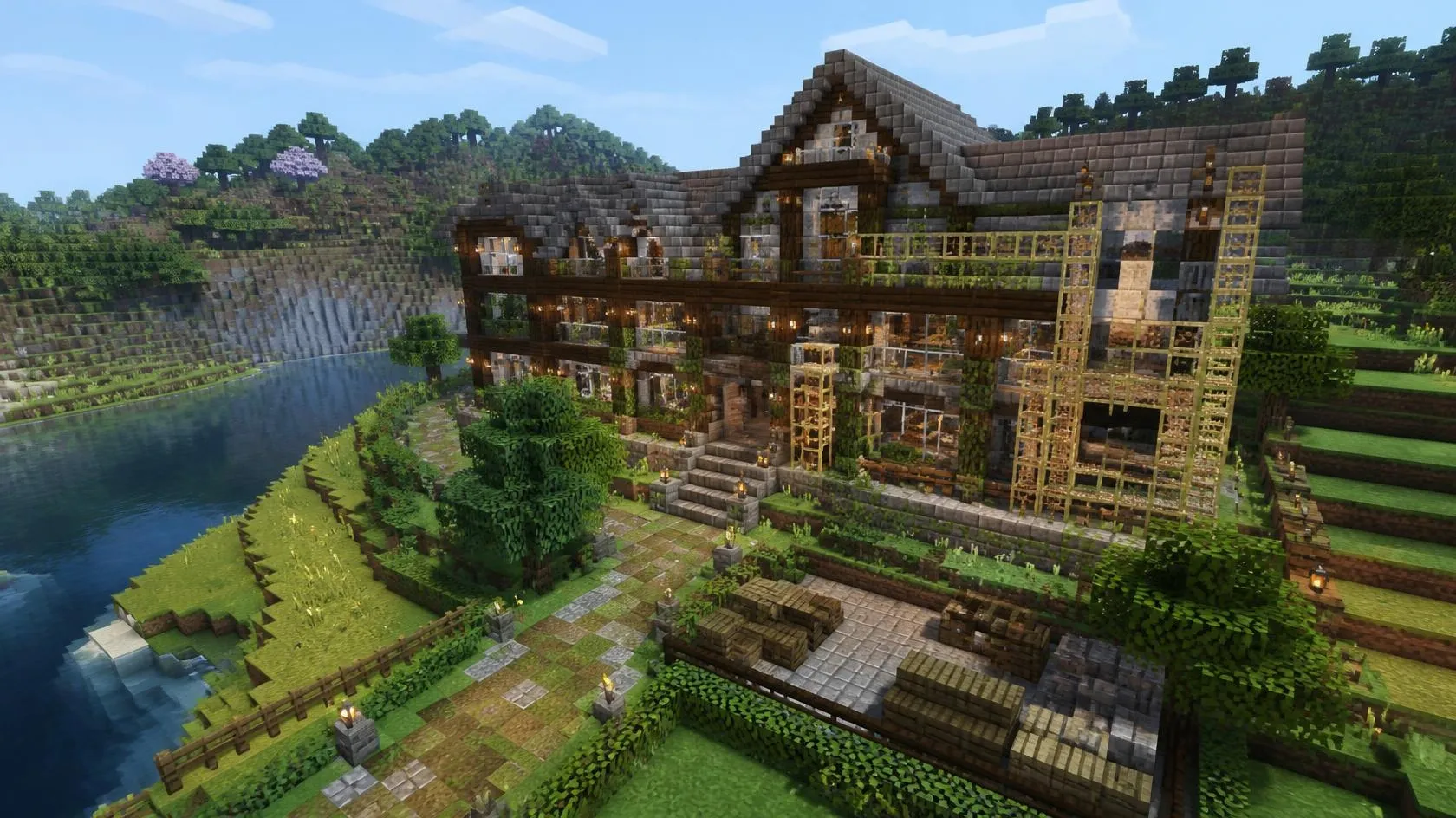
Effective Minecraft House Design combines functionality with visual composition. A thoughtful design can make a structure easier to navigate while also creating a more cohesive appearance.
The House Looks More Organized
A planned structure generally has clearer proportions, deliberate windows, and more consistent transitions between walls and roof sections. Decorative elements then enhance the architecture rather than conceal structural problems.
Minecraft builder Riley Raeyzeus Garland emphasizes the value of planning, explaining, “A lot of people underestimate planning out your build before you start.” He also recommends avoiding excessive decoration so that details complement rather than overwhelm the structure.
Building Materials Are Used Efficiently
A measured foundation helps estimate the amount of wood, stone, glass, roofing blocks, and decorative materials required. This is particularly valuable in Survival Mode, where gathering resources can consume considerable time.
Using a restrained material palette also creates stronger visual cohesion. Repeating selected blocks across different parts of the house can make the design feel intentional.
Each Room Has A Clear Purpose
Every room should contribute to the house. A bedroom provides a sleeping area, a storage room organizes resources, and a workshop supports crafting and equipment management.
Purposeful interiors also prevent large builds from becoming hollow shells. Even simple furnishings, lighting, plants, and workstations can make a structure feel inhabited without excessive clutter.
Start Building Better Houses in Minecraft
Better houses begin with practical decisions. Determine the footprint, estimate the materials, divide the interior into useful spaces, and select a roof that matches the overall proportions.
A successful Minecraft house does not need enormous dimensions or rare blocks. Strong planning, efficient resource use, and thoughtful decoration can create a structure that is both attractive and functional. Start with a manageable design, learn from each build, and gradually develop a distinctive architectural style.