Valorant Voice Chat in Clutches
Articles
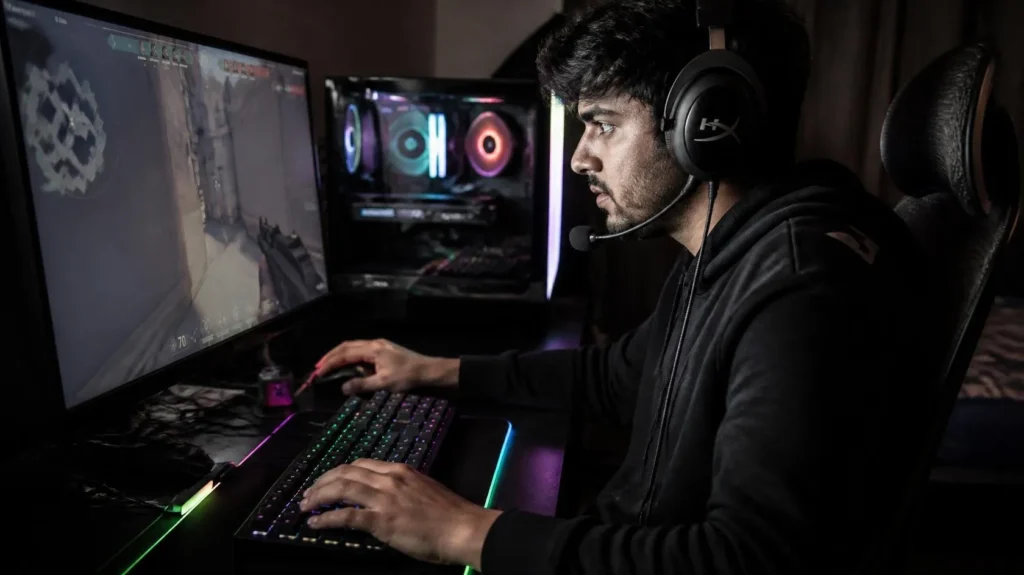
Clutch situation in VALORANT can change within seconds. When only one or two players remain, every sound, movement, and decision becomes more important. Too much voice chat can create distraction, while silence can leave the clutch player without useful information.
Using Valorant Voice Chat effectively means knowing when to speak, what information matters, and when to stay quiet. Good communication should support the player still fighting rather than overwhelm their attention with unnecessary comments.
Voice Chat Problems During Valorant Clutches
Clutch rounds often become stressful because players have limited time to process information. Voice chat can either support decision-making or make the situation even harder.
Too Much Talking During Clutches
One of the most common problems is excessive talking. Several teammates may give directions simultaneously, making it difficult for the clutch player to identify important information.
Constant reactions, guesses, and emotional comments can also interrupt concentration. During a tense 1v2 or 1v3, fewer words can sometimes provide more value.
Unclear Information From Teammates
Information is only useful when it is specific and easy to understand. Saying that an enemy is “somewhere over there” gives very little practical help.
Useful communication should mention confirmed details such as enemy location, spike position, damage, utility, or timing. Clear information allows the surviving player to make decisions faster.
Pressure During Critical Rounds
Voice chat can also increase psychological pressure. Comments such as “don’t lose” or repeated instructions may make a clutch player second-guess an otherwise simple decision.
The goal should be to provide information without adding unnecessary pressure.
Managing Voice Chat During Clutches
Better Clutch Communication Skills start with understanding that not every piece of information needs to be spoken immediately. In clutch situations, communication should be concise, relevant, and timed carefully.
Giving Short Tactical Information
Short calls are easier to process during combat. Instead of explaining an entire situation, provide the most important fact first.
For example, “two A main, one low HP” is more useful than a long explanation about what happened during the previous seconds.
Choosing Important Calls To Share
Prioritize information that can change the next decision. Enemy positions, spike location, remaining utility, and confirmed movement are usually more valuable than speculation.
Avoid reporting every sound when the clutch player is already engaged in a fight. Extra details can become noise.
Avoiding Unnecessary Team Chatter
Once important information has been delivered, teammates should give the clutch player space to play. Repeated instructions can interfere with audio cues and focus.
VALORANT coach Crws has described a similar issue in team play, “As soon as we start losing momentum, we start to do things without telling teammates.”
The principle is simple, communicate important information, then allow the player to execute.
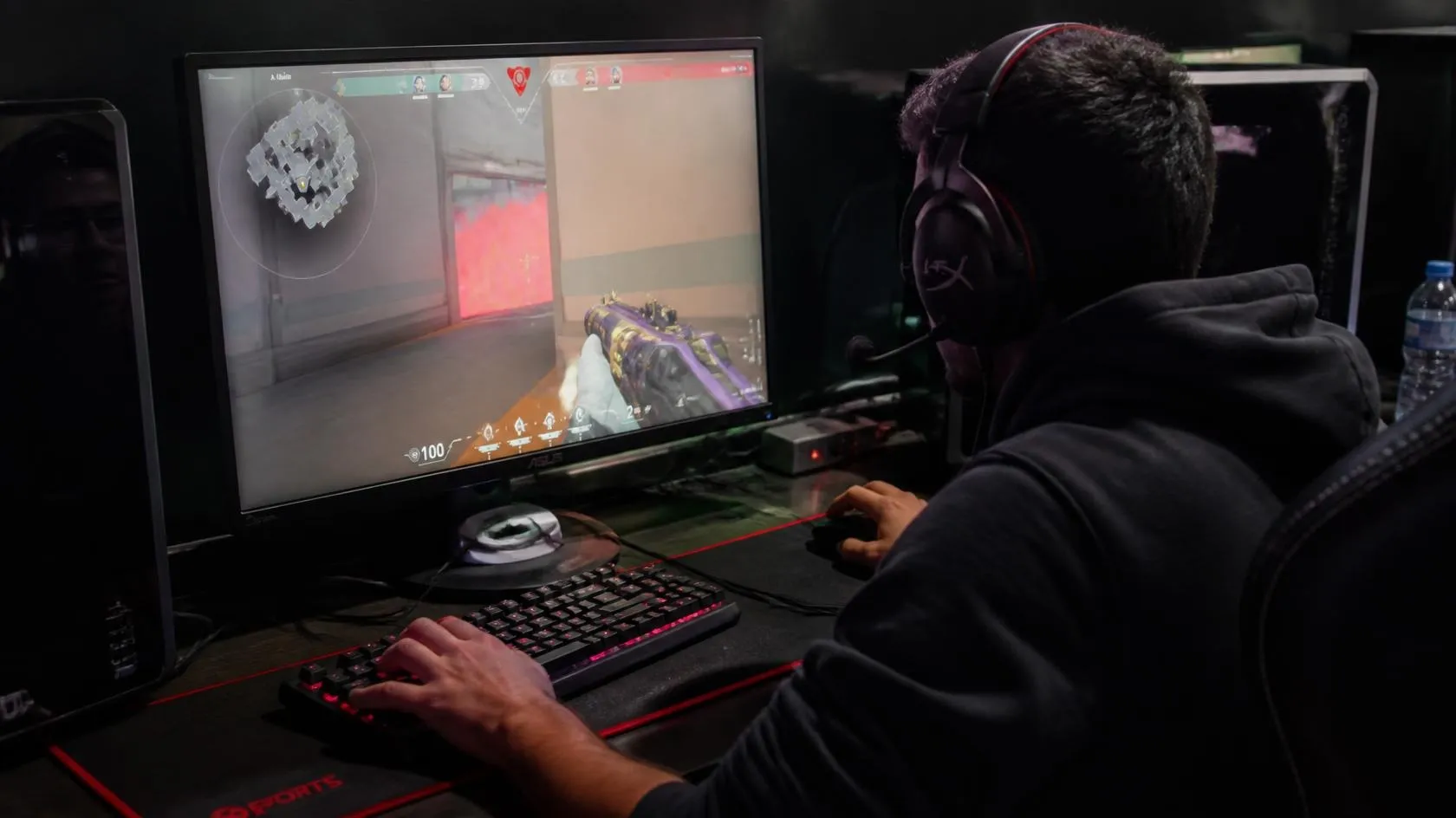
Changes From Better Clutch Communication
When communication becomes more disciplined, clutch situations can feel less chaotic. Players receive information without having to filter through constant chatter.
Faster Responses To Enemy Moves
Clear calls help players react faster because they already know the most relevant information. This can make repositioning, holding angles, or rotating more efficient.
Clearer Information During Rounds
Consistent communication also creates better awareness across the team. Players become more familiar with concise callouts and understand what information deserves immediate attention.
Better Focus During Clutch Situations
A quieter voice channel gives the remaining player more room to concentrate on footsteps, ability sounds, enemy movement, and timing.
Good communication is not about talking constantly. It is about making every call count.
Improve Your Valorant Clutch Communication
Effective clutch communication comes from discipline rather than volume. Give short and confirmed information, avoid unnecessary reactions, and stop talking once the important message has been delivered.
With better communication habits, players can maintain focus during high-pressure moments while teammates continue providing useful support without becoming a distraction.