Heads Up Tips for Fun Group Sessions
Articles

Group gaming can turn an ordinary afternoon into a lively social activity, especially when everyone has a chance to participate. The right game does not always need complicated mechanics, simple rules, quick interactions, and a comfortable pace can create a more engaging atmosphere.
Using Group Sessions Tips can help players organize Android games without making the activity feel overly structured. From selecting suitable titles to managing turns, a few thoughtful adjustments can keep the entire group involved and make each session feel fresh.
Preparing Fun Group Sessions
A successful group session begins before the first game launches. Choosing an appropriate title and establishing a few straightforward expectations can prevent confusion while giving everyone room to enjoy the activity naturally.
Choosing Games For Groups
Start with games that accommodate the number of participants and match their familiarity with mobile gaming. Party games, trivia titles, word games, racing challenges, and cooperative experiences can work particularly well because they encourage interaction rather than isolating each participant.
Consider the average session length, difficulty curve, and whether players need to create accounts or complete lengthy tutorials. A game that can be understood within minutes is often easier to introduce to a mixed group.
Checking Multiplayer Features
Multiplayer functionality can differ considerably between Android games. Some titles support local play, while others rely on online rooms, invitation codes, or shared networks.
Check the maximum number of players, connection requirements, and available multiplayer modes before starting. This small preparation can prevent a promising session from becoming a technical troubleshooting marathon.
Setting Simple Session Rules
Keep the rules concise. Decide who starts, how turns rotate, and whether players can request a rematch.
Avoid creating an elaborate rulebook. The purpose is to establish a predictable rhythm without transforming casual entertainment into an overly regimented competition.
Running Android Games Together
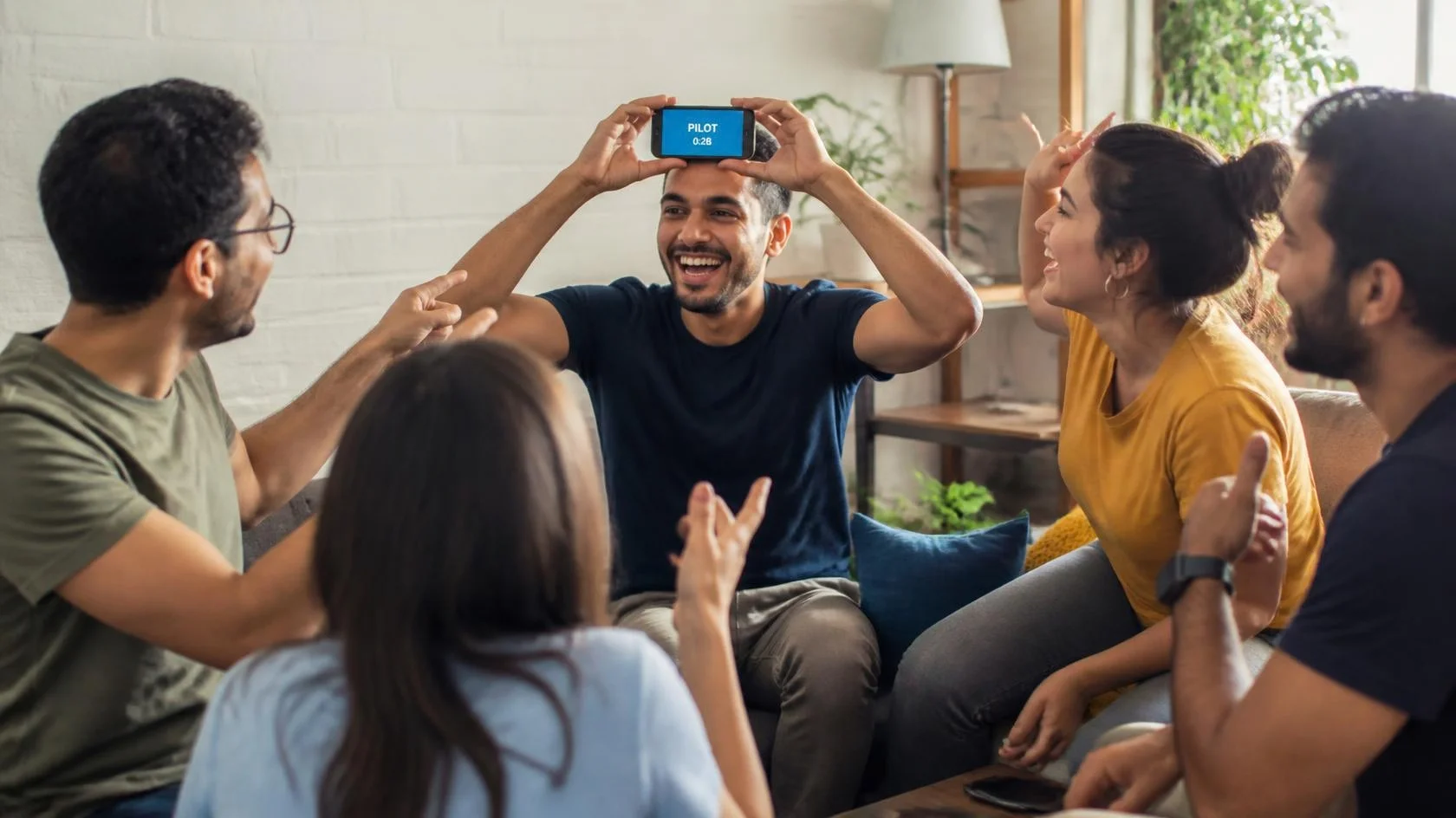
Once everyone is ready, the session should move quickly into gameplay. A smooth opening helps players understand the mechanics while maintaining momentum and preventing anyone from becoming a passive observer.
Starting With Easy Games
Begin with a familiar or beginner-friendly game. Simple opening rounds allow participants to learn controls without feeling pressured to perform immediately.
Once everyone understands the basic mechanics, introduce games with greater complexity. This gradual escalation creates a more organic progression.
Keeping Everyone Involved
Participation matters more than winning. When some players are waiting, give them useful roles such as choosing the next challenge, keeping score, or suggesting strategies.
The social dimension can become just as important as the digital gameplay itself. Research on social gaming has found that playing with others can involve collaborative and interactive experiences.
Managing Turns During Games
Turn management becomes especially important when a game does not support simultaneous participation. Establish a visible rotation so everyone knows when their opportunity arrives.
Short turns usually work better than prolonged individual attempts. They maintain anticipation and reduce downtime, allowing the session to retain its convivial tempo.
Making Group Sessions More Fun
After the basic format works, small variations can prevent repetition. Android Games For Groups can be adapted with different challenges, rotating teams, or changing objectives so familiar mechanics feel less predictable.
Adding Friendly Challenges
Introduce lightweight challenges rather than aggressive competition. For example, players can compete for the highest score, complete a timed round, or attempt an unusual objective.
Keep the atmosphere friendly. The challenge should generate laughter and conversation rather than frustration.
Trying Different Android Games
Do not rely on one title for the entire session. Rotate between genres such as trivia, puzzles, racing, word games, rhythm games, or cooperative adventures.
Genre variation introduces different forms of interaction. A fast-paced round can be followed by something more strategic, creating a useful change in tempo.
Adjusting Games For Everyone
Every group has different preferences and skill levels. Some participants may enjoy competitive mechanics, while others prefer cooperation or low-pressure challenges.
Sid Meier, the designer behind the Civilization series, famously described the design principle this way, “Games are a series of interesting decisions.”
That idea can also apply to group sessions. Give participants meaningful choices about game modes, teams, difficulty, or challenges so the experience feels flexible rather than predetermined.
Keep Group Sessions Enjoyable
The best group sessions are not necessarily the longest ones. They are the sessions where players can participate comfortably, understand what is happening, and enjoy enough variety to remain interested.
Keep the rules uncomplicated, rotate turns fairly, and pay attention to the group’s energy. If a game becomes repetitive, switch titles or introduce a new challenge. With thoughtful Group Sessions Tips, Android gaming can become a convivial shared activity rather than simply a collection of people staring at separate screens.
Most importantly, let the session evolve naturally. A little structure provides direction, while flexibility keeps the experience enjoyable for everyone.